Traditional or modern education with artificial intelligence for physical therapy students
DOI:
https://doi.org/10.56226/129Keywords:
AI. Physiotherapy. Education.AIAbstract
Introduction: This article explores the role of artificial intelligence (AI) in physiotherapy education, comparing traditional and modern teaching methods. Traditional education relies on direct lectures, in-person practical training, and immediate supervision. Its strengths include building a strong theoretical foundation, fostering teamwork, and developing interpersonal skills. However, it often fails to address individual learning differences and limits exposure to diverse clinical cases.
Methodology: Modern education is student-centered, using active learning, simulation, and problem-based approaches. It enhances critical thinking, clinical application, and flexibility but can be resource-intensive and may neglect theoretical depth if not carefully implemented.
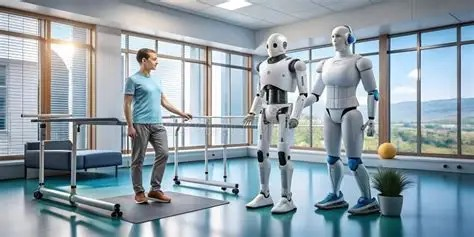
Results: AI acts as a bridge between these two models. Through virtual patients, real-time feedback, personalized learning platforms, medical image analysis, and AI tutors, AI provides endless clinical simulations, adapts content to individual student needs, and offers objective assessment. It does not replace human teachers but complements them by handling technical instruction while educators focus on guidance and emotional support.
Conclusion: The article concludes that the optimal approach is an integrated hybrid model: classical methods deliver essential theoretical knowledge (anatomy, biomechanics), modern methods enable active application, and AI enhances personalization and safe, repetitive practice. This combination produces physiotherapists who are scientifically competent, clinically skilled, and technologically prepared, while retaining essential human qualities like empathy and communication.
References
Al-Subhi M, Khan F, Shividokonan MF, Basudan R, Shauli L, Nimatullah Z.Knowledge and attitudes of physical therapists towards artificial intelligence applications in healthcare and rehabilitation: A cross-sectional study.J Med Internet Res. 20 October 2022; 24(10): e39565.
Carmen del Rosario Navas Bonilla,Luis Miguel Viñan Carrasco,Jhoanna Carolina Gaibor Pupiales,Daniel Eduardo Murillo Noriega.The Future of Education: A Systematic Literature Review of Self-Directed Learning with AI.MDPI journal.Future Internet 2025, 17(8).
Gizem Ergezen Sahin Gulay Aras Bayram , Alberto Sanchez Sierra , Simay Akdemir , Dogukan Kurc , Devrim Tarakci , Ayse Nur Tunali .Effects of artificial intelligence based physiotherapy educational approach in developing clinical reasoning skills: a randomized controlled trial. BMC Med Educ.2025 Oct 9.
Johnny, H. On the Digital Transformation of Health Systems: What is the Role of Human Resource Management and Health Informatics? International Health Care Journal (available online). https://doi.org/10.56226/81 ●Published online: December 12, 2024.
Klein A. Artificial intelligence surrounds us on all sides. Therefore, this region has designed its own curriculum in artificial intelligence. Education Week; 2022. Accessed: May 17, 2023.
Oğuzhan Mete,Yasemin Ateş Sarı.Attitudes and Literacy of Physiotherapy Students Toward Artificial Intelligence: The Impact of Artificial Intelligence Education .October 2025. Sağlık Profesyonelleri Araştırma Dergisi.7(3):143-152.
Park Woo, Kwon H. Application of artificial intelligence in middle school technology education in the Republic of Korea. International Journal of Educational Technology. 2024;34(1):109-35.
Raghavendra U, Acharya Ur, Adili H.Artificial intelligence techniques for automated diagnosis of neurological disorders.Euronews. 19 November 2020; 82(1-3): 41-64.
Scott William Lowe.The role of artificial intelligence in Physical Therapy education2024, Bulletin of Faculty of Physical Therapy.
Downloads
Published
How to Cite
Issue
Section
License
Copyright (c) 2026 The Publisher

This work is licensed under a Creative Commons Attribution 4.0 International License.
Authors retain copyright and grant the journal right of first publication with the work simultaneously licensed under a Creative Commons Attribution (CC-BY) 4.0 License that allows others to share the work with an acknowledgment of the work's authorship and initial publication in this journal.


 Start-up >